






Blogs
Posted on 21 April, 2026
Private Label Sportswear Manufacturing for UK Brands
Share On:



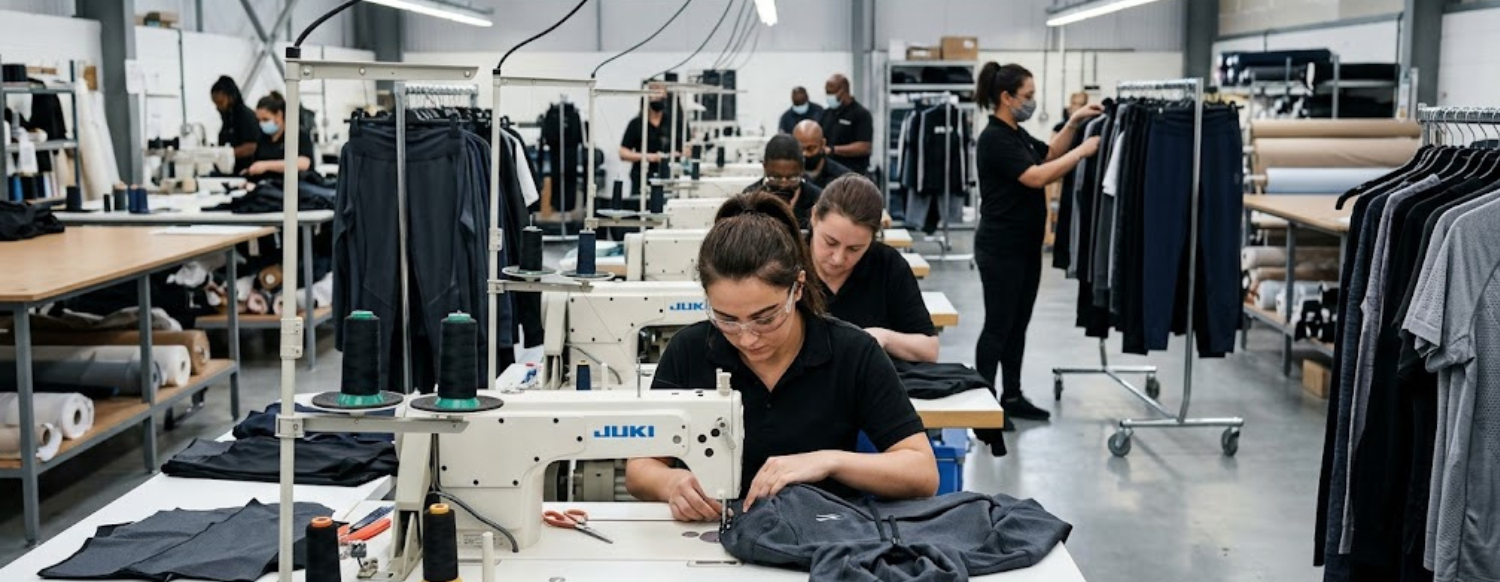
Sports apparel in the UK has been registering an accelerated rate of growth in recent years due to increased awareness and membership of gyms, among other reasons. Rather than acquiring sports apparel strictly for use during workout sessions, people have started requiring clothes that will have different uses apart from their intended purpose. There is therefore a need for innovation in the field.
Private labeling has emerged as the best way for budding entrepreneurs and fashion brands looking to get into the business. No more does one need to incur costs associated with product manufacture through construction of costly factories and employing laborers. In addition, fashion houses work together with companies that manufacture ready-to-relabel products.
Important Stats You Need To Know
It is mentioned by the website UK Money that there is a strong rise in the popularity of private label sportswear among UK customers due to the application by producers of an accelerated process with greater safety in manufacturing private label products. Sportswear has value in the UK in excess of £12-13 billion, which provides numerous opportunities for private labels.
Data by IMARC Group suggest that there is over 40% of e-commerce sales in sportswear in the UK, making it necessary for the private label brands to manufacture fast collections of private label products for their clients on the Internet.
What Is Private Label Sportswear Manufacturing?
The creation of private label sportswear refers to the process where an organization makes already available or designed sportswear which is later sold under its own label. Here, while the company produces the goods, the brand chooses, designs, and markets its merchandise.
The following are some of the examples of private label sportswear:
- Fitness leggings and fitness compression pants
- Sports bra and sports tops
- Hoodies, joggers, and tracksuit sportswear
- Sport shorts and sport t-shirts
- Yoga and athleisure wear
In contrast to fully custom sportswear manufacturing processes, the private label sportswear manufacturing process depends much on the use of pre-made products with only slight alterations needed in terms of fabrics, colors, or any branding such as logos, labels, and packages.
For UK brands wishing to get into fashion manufacturing, this process would be quite attractive.
What Are OEM, ODM, and Private Label Manufacturing Models?
Understanding private label manufacturing requires a comparative study with other types of manufacturing.
OEM Manufacturing
It involves the use of fully customized designs, in accordance with the designs of the brand. Everything ranging from the type of cloth to the stitching method is done in line with the requirements of the brand. Even though it is flexible, it is costly, lengthy, and complex in nature.
ODM Manufacturing
It uses the designs presented but makes slight modifications to suit the tastes of the brand. ODM lies midway between OEM and private label.
Private Label Manufacturing
This is the fastest manufacturing process because it only involves putting in brandings on already existing clothing.
In this context, private label manufacturing acts as a platform for introducing the sportswear brand while OEM helps create unique collections that differentiate one brand from another.
What Is The Manufacturing Process From Concept To Delivery?
There are specific stages in private label manufacturing that are often followed in a systematic manner.
Market Research and Branding
The UK firms decide on their target markets, which could be athletes who go to the gym, runners, yoga practitioners, or fashionable people. At this stage, there will be research conducted on the competition and the current price and design trends in the UK.
Supplier Selection
Suppliers from areas like China, Pakistan, India, Turkey, and Portugal will be engaged. Each region will have its advantages with regards to prices, quality, and delivery times. UK firms will select the suppliers based on MOQs, quality, and dependability.
Sampling and Product Testing
After selecting a supplier, samples of clothing will be manufactured. They will then be tested for proper design and material.
Mass Production
When the sample has been approved, the process of mass production begins. At this point, fabric is cut, sewn, and assembled. Branding involves putting on the logo, hang tag, and packaging of the product.
Inspection and Packing
The inspection of the product is done so as to ascertain the quality of sewing, size, and material consistency of the product. The product is then packed using the proper brand and sent to the United Kingdom.
Key Product Categories in Sportswear
|
Types of Packages |
Description |
|
Honeymoon Packages |
These packages comprise romantic stays for couples. |
|
Family Packages |
These packages consist of comfortable stays suitable for all family members. |
|
Tour Packages |
This package consists of cost-effective group tours. |
|
Customized Packages |
These packages are entirely personalized. |
What Should You Know About Fabric Selection and Technical Features?
The selection of the materials that will be used influences the efficiency of sports clothing. Some of the materials include polyester, nylon, spandex, and cotton.
Some of the innovations found in today’s sports clothing include:
- Sweat absorption and quick drying
- Four-way stretch material
- Antibacterial and odor management
- Ventilation through breathable fabric
One of the materials used frequently for sustainable fashion in sports wear is recycled polyester.
What Are The Cost Structure and Pricing Considerations?
The costs for producing private label sports apparel shall depend on several factors such as material quality, location of manufacture, design sophistication, and quantity ordered.
This usually includes:
- Materials: 40%-60%
- Labor: 20%-30%
- Packaging: 10%-15%
- Freight: 10%-20%
The smaller the quantity of orders, the more costly each piece, whereas ordering a lot significantly lowers the cost. The UK brand imports have to take into account customs duties, VAT rates, and shipping time.
What Is MOQ and How Does It Affect Business Scalability?
Another critical element that needs to be considered by the start-up includes Minimum Order Quantity. It can vary between 50 and 500 units according to the intricacy and material of the designs provided by manufacturers.
The start-up brands need to search for suppliers having lower minimum order quantities since this enables testing designs and selling in the UK market at a minimal cost. Gradually, as the brand develops, there would be a need for larger quantities while retaining quality.
What Is Branding and Market Positioning?
For the sportswear segment in the UK market, branding is just as important as the quality of the product. Even though private label manufacturing constitutes the foundation of these sportswear items, proper branding is necessary for building customer loyalty.
Good branding includes the following elements:
- Creating custom labels
- Leveraging branded packaging
- Applying logos across all products
- Getting the story right to appeal to fitness culture
Brands in the UK usually identify themselves as either premium performance wear or affordable gym apparel or sustainable activewear.
What Challenges Are Involved In Private Label Manufacturing?
Private label manufacturing has several limitations. These include communication issues with overseas manufacturers, inconsistency in the size of goods manufactured, delay in production, and poor quality of the product from one batch to another.
The issue with logistics and customs clearance may cause a delay in the delivery of the product to businesses in the UK. In addition, there are several risks involved when relying on a single manufacturer.
The best way to address these challenges is to have multiple suppliers for the product.
Why To Choose SAS Apparels?
The SAS Apparels can be trusted to manufacture your private label sportswear efficiently, offering high-quality customized sportswear for your needs. The specialization of this company lies in supplying you with high-quality sportswear along with flexible customization and quick manufacturing processes.
Reasons for choosing us:
- Private label sportswear manufacturing services (OEM & Private Label)
- High-quality fabric & stitching services
- Quick manufacturing and shipping services
- Competitive bulk pricing offers
Conclusion
There exists an opportunity for UK-based organizations to enter and develop in the fitness clothing sector which has been growing steadily, by making low investment and fast deliveries. There also exist many branding opportunities that should be considered.
The secret of succeeding in the private-label manufacturing of sportswear lies in finding the right producers, applying a strict quality control procedure, and creating a brand image of one's own. Fashionable and high quality sportswear has become popular in the UK, and thus, private labeling will be essential to the birth of brands.
Related Blogs
Best Alternatives to UK-Based Sportswear Manufacturers
Posted on: Apr 20, 2026
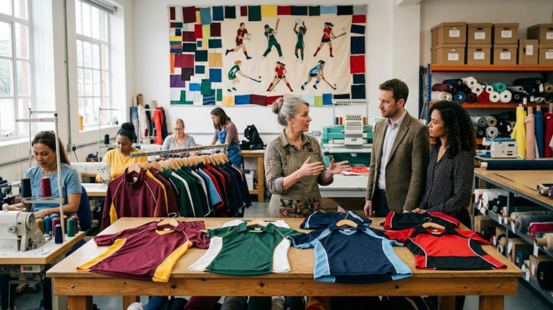
Custom School Sports Uniform Suppliers in the UK
Posted on: Apr 17, 2026

What Makes High-Performance Sportswear Different from Regular Clothing
Posted on: Apr 16, 2026
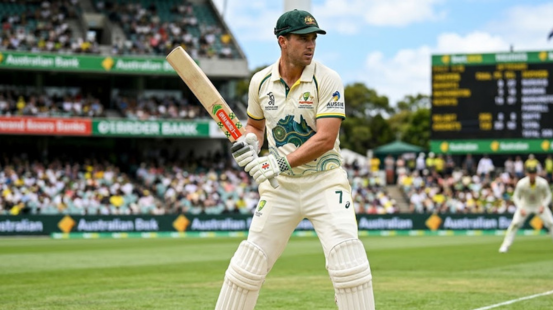
Custom Cricket Uniform Suppliers in Australia
Posted on: Apr 15, 2026
FAQ's
The reason for this preference is the low initial investment, rapid product launch, and marketing orientation in the production process. With the increased demands for fitness products in the UK, it is considered profitable.
Various factors determine the initial investment, but most UK-based private labels need an investment of between £1,000 and £5,000. This has been made feasible due to the low minimum order quantity.
These include leggings, sports bras, hoodies, jogger pants, tops, and gym shorts. Mostly, the manufacturer provides the brand with athleisure wear.
The manufacturing cycle takes from 3 weeks to 8 weeks depending on various things like the location of manufacturing, number of orders, and customization done.
Yes, it definitely can be because of the great demand for sportswear today. This line of clothing has excellent margins due to low cost of production and growing popularity among customers.





Never miss out on a deal again!
Sign up with your email for exclusive offers, updates, and discounts.