








Blogs
Posted on 16 April, 2026
What Makes High-Performance Sportswear Different from Regular Clothing
Share On:




Sportswear has developed from basic attire made of cotton such as T-shirts and shorts to high-performance sportswear characterized by the incorporation of scientific research, advanced fabric, and designs that cater to the needs of the athlete. Sportswear and normal clothing differ significantly in that sportswear is made explicitly to ensure physical activity and enhance performance.
The difference between these two types of sportswear is significant because it impacts the degree of comfort and durability and ultimately the physical fitness of a person. Wearing of sportswear beyond the playing ground constitutes what is referred to as athleisure.
This creates confusion as the same sportswear may be worn for both purposes. However, the functionality of sportswear remains the same regardless of its fashionable character.
In this guide, you are going to get answers of what makes high performance sportswear different from regular clothing.
Technology Used for Fabric and Material Innovation
The main distinction is seen in the fabrics used to create the clothes. Advanced sportswear utilizes modern materials that help athletes during movement.
One important thing about high-performance sportswear is moisture wicking. While cotton is known to absorb the moisture produced by the body and makes the wearer feel uncomfortable due to added weight, materials like merino wool or polyester blend draw the moisture away from the skin and let it evaporate fast.
Body ventilation is another key factor. High-performance clothes may have mesh panels or ventilation zones. They promote airflow, helping the body to cool down. Everyday clothes do not have such features.
It is also worth mentioning that high-performance clothing is made using stretchable material. It means that garments are made with elastane or spandex that gives them the ability to stretch in all directions.
This characteristic is important because it allows the garment to move freely along with the body. This kind of fabric is used to make sportswear but everyday clothing is made from more rigid materials.
Another advantage of sports clothing is that it is made to be very light. Removing extra weight helps people to move better and avoid additional fatigue.
Functional Design and Ergonomics
Alongside the material, the design is also a crucial aspect of functional sportswear. The manufacture of performance sportswear involves designing garments according to human physiology.
Body mapping is one of the techniques applied in ensuring that the garment fits correctly around muscle and joint areas. Such garments make movement more flexible by increasing the elasticity of some parts while reducing stress.
Another critical consideration in designing performance sportswear involves the design of seams. Flatlock seams, which are sewn in such a way that they do not come into direct contact with the skin, are incorporated to reduce irritation. Seamless designs have also been applied in some garments.
Compression is yet another unique feature of sportswear. Compression in sports clothing is basically about placing some kind of pressure on the muscles to promote blood circulation and reduce fatigue of muscles. Also, compression helps in the post-workout recuperation.
Moreover, sportswear differs from regular wear because the sportswear is specifically tailored for certain activities. Sportswear meant for jogging is designed to be light and airy, whereas that of biking needs padding.
Temperature Regulation and Weather Resistance
Another useful feature of sports apparel is the ability to control the body's temperature in different circumstances.
Insulation helps when it comes to cold climates. Special insulating fabrics are used in sportswear to keep warm while remaining breathable for the excess heat to dissipate.
Cooling effects of certain types of clothing can be helpful in hot weather. Such fabrics have properties that help dissipate the heat and keep the body cool.
Adverse weather resistance is among the most significant features of sportswear. Most pieces of clothing are waterproof and windproof to be worn outdoors regardless of the weather.
Such abilities cannot be achieved with regular clothing.
Longevity and Endurance Performance
Endurance is one of the characteristics that describe high-performance sportswear. The clothing has endurance performance which allows it to withstand constant wear and exercise periods.
Resistance to high stress can be attributed to the fact that the sportswear material is durable, as well as the stitching is reinforced. This means that high-performance clothing cannot tear or hole even if you jog in it.
The shape of the clothing does not change at all times. One of the unique aspects about sportswear is the fact that it remains elastic despite being washed several times.
Odor resistance is another characteristic of most sportswear. The reason behind it is because sportswear is made of special fabrics that reduce bacterial growth causing odors.
Features Related to Safety and Performance
Besides making performance clothing comfortable and durable, it might be created in such a way that would increase safety and enhance athletic performance.
Thus, there are reflective elements incorporated into clothing designed for performing outdoors, e.g., during jogging and biking. The person becomes more visible when it gets dark, and therefore his/her safety is ensured.
Another important characteristic of sports attire is its ability to keep muscles stable, and this can be done with the help of certain types of clothing. This makes injuries less probable and enhances athletic performance.
Influence on Performance and Psychology
Good clothes might influence the psychology during the performance positively, as wearing sportswear of a high performing character would make one ready for the event.
One would experience fewer concerns regarding such things as sweat and rubbing with the gear, thus enabling oneself to concentrate only on the process. In addition, there would definitely come a shift in the attitude towards the issue because of the motivation brought by the special outfit.
However, wearing regular clothes would not cause such an influence.
Sustainability and Innovation Trends
Apart from increasing awareness about the environment, there have been some changes in the sportswear industry as well.
Many sportswear brands now use sustainable materials in their clothing, such as recycled polyester and organic materials. This allows for reducing the negative impact on the environment while maintaining product performance.
Wearable smart fabrics have been yet another innovation in this sector. For example, wearable technology is present in some sportswear that enables people to track their heartbeat, body temperature, or even movements.
Another trend in the sports apparel industry that has gained a lot of traction in recent times is circular fashion through sustainable processes.
Cost and Value Comparison
Sportswear that is engineered to improve performance is normally more expensive than normal wear; however, this is because of the numerous benefits associated with it.
Sportswear is highly durable, functional, and comfortable compared to normal wear. It could improve one’s performance while reducing the chances of needing to change it frequently.
While normal wear may be cheaper, it does not possess the same features as sportswear.
Conclusion
Sports apparel is different from everyday apparel in all respects except for the way it looks. We at SAS Apparels, sports apparel is made in such a way as to make your body more agile and fit in the environment.
It goes without saying that proper sportswear can assist you in improving your performance level while working out. Normal clothes can serve their purpose on some occasions, but sports apparel is certainly far more efficient.
Therefore, it can be safely assumed that sports apparel is not only important due to its appearance but also its functionality.
Related Blogs
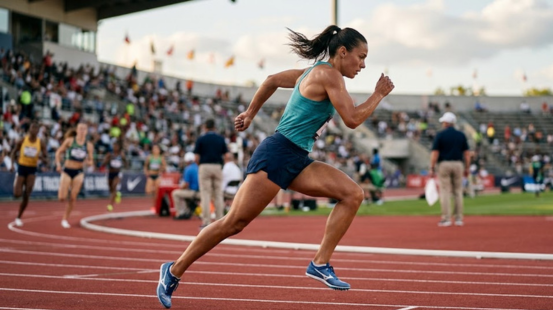
Why Athletes Prefer Lightweight Fabrics for Performance
Posted on: Apr 14, 2026
Sports Apparel Manufacturers in Australia
Posted on: Feb 28, 2026
Custom Basketball Uniform manufacturers in UK
Posted on: Feb 27, 2026
Activewear Manufacturers in United Kingdom
Posted on: Feb 25, 2026
FAQ's
The term high-performance sportswear can be defined as sportswear designed using quality materials and production methods to increase its flexibility, durability, and performance in exercising activities.
Sportswear differs significantly from normal clothing regarding aspects like moisture-wicking, breathability, flexibility, and ergonomic nature compared to the latter whose main emphasis lies on styling and comfort.
The function of moisture-wicking ensures fast movement of the sweat away from the surface to improve the rate of cooling, reduce sweating, and prevent irritation of the skin tissues.
Yes, since the sportswear provides a lot more functional advantages to the user when compared to the common sportswear, even though it is more expensive.
Certainly, although with limited functionalities like breathability and flexibility.





Never miss out on a deal again!
Sign up with your email for exclusive offers, updates, and discounts.