





Blogs
Posted on 28 November, 2025
How to Choose the Right Sportswear Manufacturer for Your Brand
Share On:



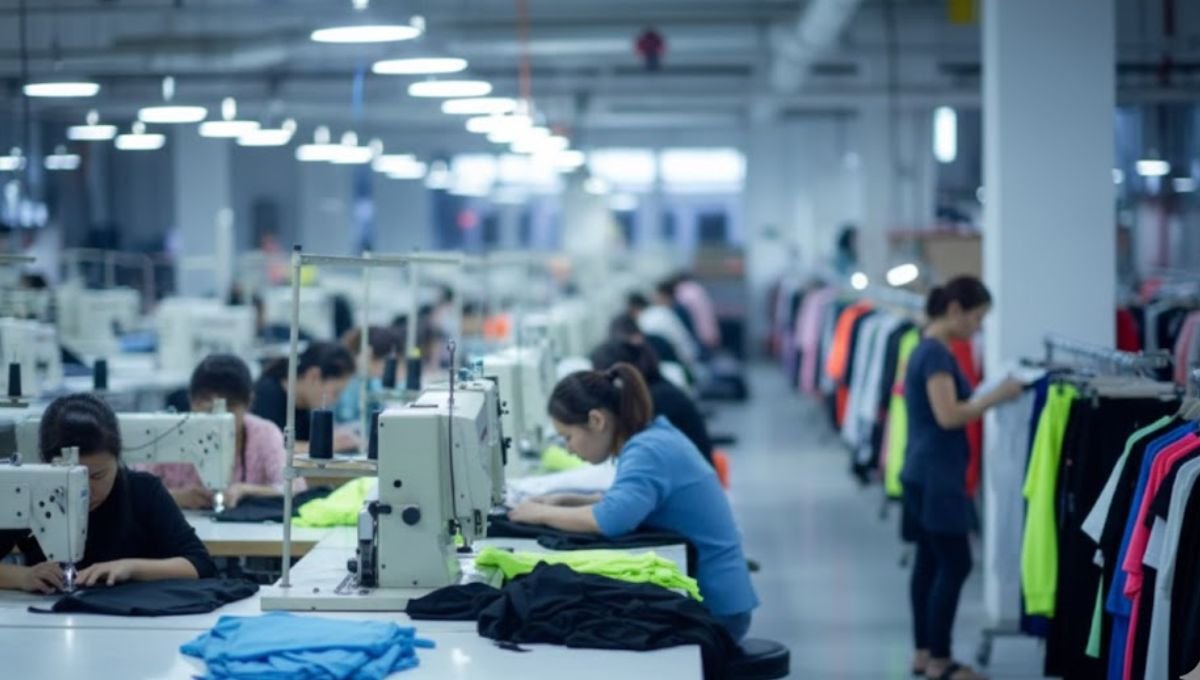
Are you planning to start your own sportswear business? You have everything- the design, colour pallets and even vision, but you are not prepared for the outcome, right? This is where a right sportswear manufacturer makes real magic and offers you the same quality and looks that you create in your mind.
By choosing the right manufacturer, you do not just stitch the sportswear but also help bring life to your brand. It always makes sure that your wears look great, feels comfortable, and always stands out in the market. Stay connected with us to figure out how to choose the right sportswear manufacturer for your brand.
Ways to Choose the Right Sportswear Manufacturer for Your Brand
- Understand Brand Needs
- Check Manufacturing Capabilities
- Quality Assurance & Standards
- Experience & Track Record
- Pricing & Payment Terms
- Communication & Responsiveness
- Location & Logistics
- Sustainable & Ethical Practices
- Flexibility & Customizations
- Build a Long-Term Relationship
Understand Brand Needs
First of all, before finding the manufacturer, it is important to understand the brand's needs. In this, multiple things were included:
- Type of sportswear
- Material preferences
- Target audience
- Price point
After knowing these details, you can be able to pick the manufacturer which is really capable of meeting your brand needs.
Check Manufacturing Capabilities
When you start researching the manufacturer, always start by checking the manufacturer's capability. Always make sure to verify:
- Product range: can they handle legging manufacturing, rash guard sets, compression sets and more?
- Technology & Equipment: Always check if they have machines for embroidery, sublimation printing or more.
- Minimum Order Quantity: Must check if you are starting a small sportswear business.
Quality Assurance & Standards
The quality of sportswear should never be non-negotiable. While choosing the manufacturer, always assess:
- Material Quality: ensure that the fabric can withstand workouts & washing.
- Sample Production: Always ask the manufacturer for the sample products before placing a bulk order to check the quality & fit.
- Certifications: Before choosing, always check ISO standards or other quality certifications.
Experience & Track Record
A well-experienced manufacturer always makes a real difference in the sportswear industry. It can easily anticipate your needs:
- Industry Experience: Always check how long they have been manufacturing sportswear.
- Client Portfolio: Check if they have worked with the same brands
- Customer Review: Read testimonials and case studies to know the reliability & professionalism
Pricing & Payment Terms
We understand that budget matters, but with low cost, quality should not be compromised. Here are some major considerations:
- Transparent Pricing: always ask the manufacturer about hidden charges. If not, then try to avoid them.
- Payment Flexibility: Before selecting, always ask the manufacturer about the payment flexibility. If yes, only then choose the manufacturer.
- Value for Money: Always check the value for money; if money and quality meet with each other, only then choose the manufacturer.
Communication & Responsiveness
Smooth communication always leads to smooth manufacturing, that's why always observe:
- Quick response from the manufacturer
- Explain a clear process and timelines
- Proactively share updates on production stages
- Always ensure that clear communication reduces errors and speeds up production.
Location & Logistics
The distance between the manufacturer and buyers affects the shipping, cost & delivery time, that's why we always choose accordingly.
- Local manufacturer: it allows fast communication and easy quality checks.
- Overseas manufacturer: it may offer low cost and high production capacity.
- Before selecting, always confirm shipment timelines, delivery methods and other logistic support.
Sustainable & Ethical Practices
Nowadays, customers mostly prefer those brands that care about the environment & ethical practices. That's why, before hiring any manufacturer, always ask the following questions:
- Do you use eco-friendly & recycled fabric?
- Are workers treated fairly?
- Do they follow environmental standards?
- Do you have certifications like OEKO-TEX & ISO 14001?
Flexibility & Customizations
A good & reputable manufacturer always allows customization because every brand needs its own identity. That's why always check:
- Can they customize colours, design and patterns?
- Are they flexible to change patterns?
- Do they offer custom packaging options?
If any manufacturer offers high flexibility to you, then always choose that manufacturer.
Build a Long-Term Relationship
When you find a trusted & reliable manufacturer, always keep a long-term relationship with them. By building long-term relations with manufacturers it always allows them:
- Understand your brand
- Offer consistent quality
- Give better pricing
- Provide priority production
Final Thought
While starting a sportswear brand, choosing the right manufacturer is more important than ever. The right partner always produces quality sportswear as well as supports your long-term growth. SAS Apparel always recommend you to keep searching for everything and always choose what really gives comfort to your mind.
Related Blogs
Sportswear vs Activewear: What’s the Real Difference?
Posted on: Nov 28, 2025
Top 10 Sports Wear Companies in Australia
Posted on: Nov 21, 2025
How to choose the Right Fabric for Your Team Uniforms
Posted on: Nov 21, 2025
FAQ's
Answer: To choose the trusted sportswear manufacturer, it is important to see some certifications that tell the quality and commitment of the manufacturer:
-
ISO 9001
-
ISO 4001
-
OEKO-TEX Standard 100
-
BSCI/SEDEX
Answer: If you want to check the manufacturer's experience in the sportswear industry, then always ask them for the portfolio. You can check how many brands they have served and for how long they have been serving.
Answer: For sportswear, you should use lightweight, breathable and moisture-wicking fabrics such as polyester spandex blends, nylon-spandex blends & dry-fit fabric.
Answer: Here are some major red flags that you should avoid while hiring the manufacturer:
-
No sample before bulk order
-
No certification
-
No clear QC process
-
Lack of a written contract
-
Hidden costs in pricing





Never miss out on a deal again!
Sign up with your email for exclusive offers, updates, and discounts.