







Blogs
Posted on 01 February, 2026
Common Quality Checks Performed During Sportswear Manufacturing
Share On:



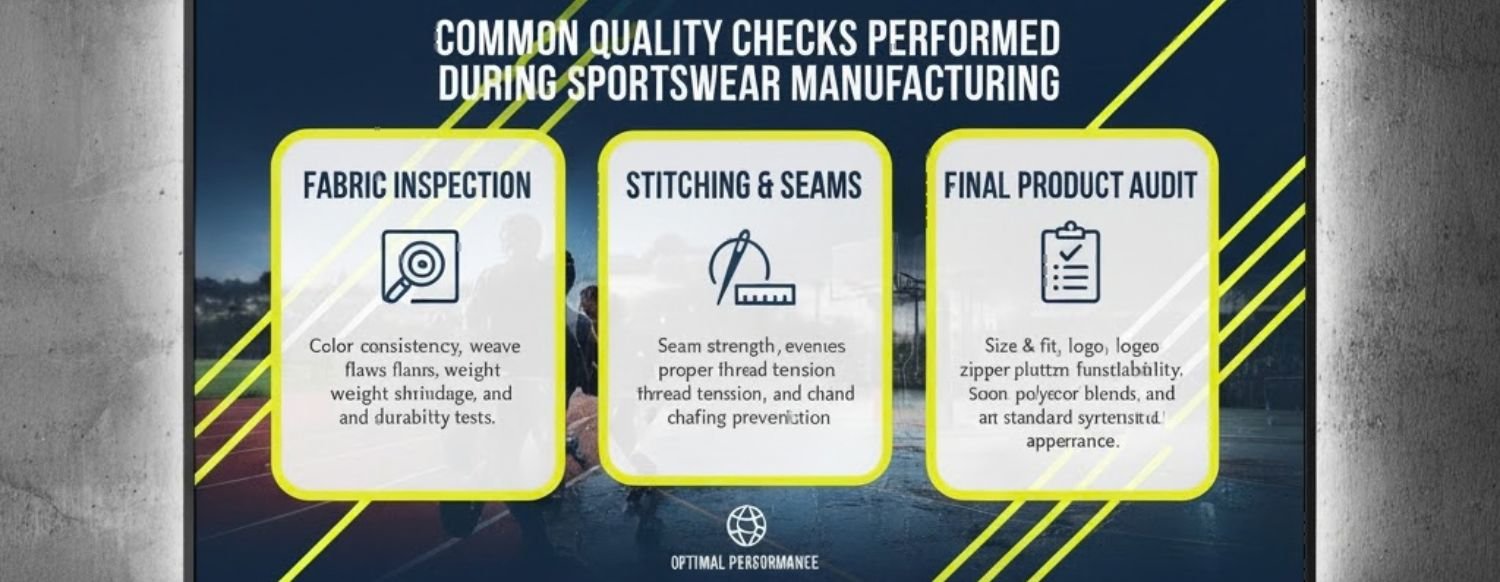
Athletes and active people do intense workout and meet their intense workout. Quality plays a vital role in sportswear manufacturing because of expected durability, comfort and performance from every garment that's why our professional team at "SAS Apparels" always prioritize the quality control so that our production ensures that sportswear meets international standards and customer expectations. We focus from fabric selection to final packing and do multiple quality checks so that we are able to reduce defects and improve consistency.
As we know that the sportswear is different clothes from everyday clothing because it is exposed to the intense movement, sweat washing and environmental stress and this makes the quality checks essential for long term performance and brand trust. At SAS Apparels we work in a structured quality control system that ensures every product delivers strength, flexibility and comfort.
Raw Material And Fabric Inspection
The every good sportswear's foundation is not it's style or a design, its the quality and this quality control begins with raw material inspection as we know the sportswear fabrics often requires the stretch breathability and moisture control, And ignorance of any defect at this stage can affect final performance.
To maintain it's quality standards, accessories (like zippers elastic cords labels and threads) are also inspected because these components must match the required strength and design standards and early detection of any issues can helps to reduce waste.
Pre Production Sample Check
Pre production sample check is very important because it shows the final quality in terms of fit construction and overall appearance and this is developed before bulk production and the quality teams evaluate the stitching fabric behaviour measurements and overall look.
Because of this pre production sample helps a lot to manufacturers to identify the potential problems before mass production starts so that any changes needed in sizing fabric or design are corrected at this stage which saves time and cost of the manufacturers.
Cutting Quality Check
This is the stage which is critical because any errors here cannot be corrected later and that's why quality inspectors ensures that the patterns are aligned correctly and all the pieces are cut according to approved measurements.
And for the fabrics alignment and consistency, quality inspectors check the fabric layers. Because the ignorance of fabrics can leads any incorrect cutting to size variation and fitting problems which directly impact customer satisfaction and the brand reputation.
In Process Quality Control
Previously we talked about pre production, and cutting quality check but In process quality control manufacturers performed the quality control during the sewing and assembly. Where inspectors monitors the stitching quality seam strength, thread tension and panel alignment and regular checks which helps in identifying defects early and preventing repetition.
In process quality control this is important because sportswear's strong seams are going to be exposed to intense movement.
Sewing And Construction Inspection
To maintain the quality production. Sewing quality is one of the most important aspects of sportswear manufacturing where inspectors examine the stitch density, seam appearance and durability because any loose stitches, skipped stitches or uneven seams are corrected immediately.
Reinforced areas where the most stress gone (such as shoulders armholes and waistbands) receives the special attention because only high quality sewing ensures the longer garment life and improved user experience, in result the positive brand reputation.
Performance And Functional Tests
This is very crucial that the sportswear must perform under physical stress otherwise what the point of buying the sportswear and for that quality teams conduct the various performance tests to ensure the fabric and the construction so that their sportswear meets functional requirements.
- Stretch and recovery tests check; Means whether the fabric returns to its original shape.
- Moisture management tests; To ensure that sweat is absorbed and evaporated efficiently.
- Colorfastness tests; This confirms that the colors do not fade after washing or exposure to sunlight.
These are the some of the tests that ensures sportswear remains comfortable durable and visually appealing over time.
Final Inspection And Packing Check
In the final inspection, manufacturers conducts the inspectors' check for overall final appearance, measurements, labeling and finishing details and any loose threads, stains or incorrect tags are removed immediately or corrected.
And after that packaging quality is also inspected to ensures that the garments are protected during transportations and don't get damaged and this is where only approved products are packed and prepared for shipment.
Conclusion
As we talked in this article, the quality checks are the backbone of the reliable sportswear manufacturing which determines the indirect trust of customers and from the fabric inspection to the final packaging. Each step ensures the durability, comfort and performance. The reason a strong quality control system exists is to reduce the defects and improves consistency, and builds customer trust. These strict standards that are maintained by manufacturers are the one for delivering high performance sportswear that meets market demands and supports long term brand success.
Related Blogs
How Stitching Quality Impacts the Durability of Sportswear
Posted on: Feb 01, 2026
Breathability vs Durability in Sportswear: Finding the Perfect Balance
Posted on: Jan 23, 2026
Which Type of Fabric is Best for Sportswear
Posted on: Jan 22, 2026
How to Choose Right Fabric for Basketball Uniform
Posted on: Jan 16, 2026
FAQ's
It's because quality checks ensure the durability, comfort, performance and consistency of the sportswear while reducing defects.
Fabric inspection is crucial because it identifies the defects early and ensures that the materials meet performance needs.
In this the inspectors monitor the stitching quality seam strength, thread tension and panel alignment and regular checks which helps in identifying defects early and preventing repetition.
There are mainly three best ways of performance tested
- Stretch and recovery tests check; Means whether the fabric returns to its original shape.
- Moisture management tests; To ensure that sweat is absorbed and evaporated efficiently.
- Colorfastness tests; This confirms that the colors do not fade after washing or exposure to sunlight.
If the garment fails the inspection then the defective garments are going to correct or get rejected to ensure only quality products are delivered.





Never miss out on a deal again!
Sign up with your email for exclusive offers, updates, and discounts.